My legs feel numb, and you're saying it's a herniated disc?
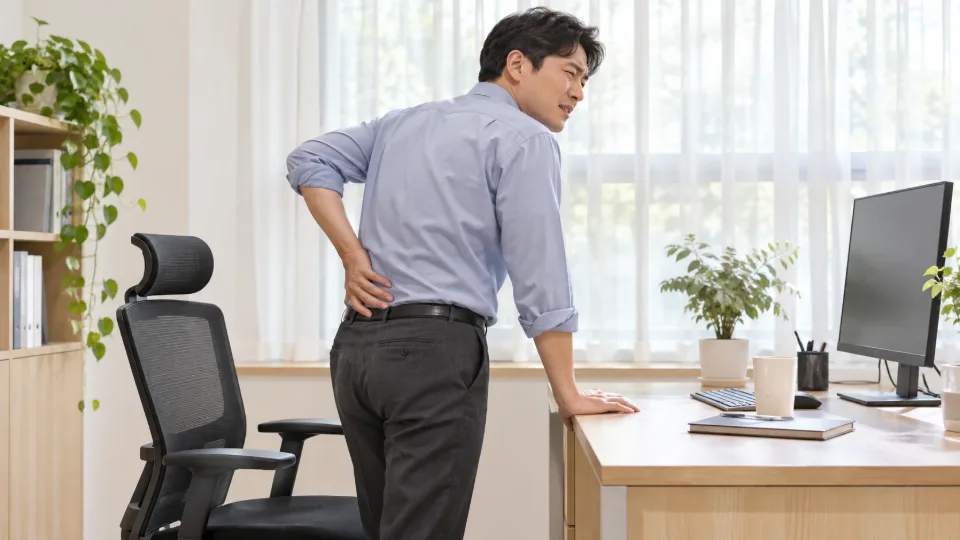
Does your lower back hurt when you stand up after sitting for a long time, and do you feel a tingling sensation running from your buttock down to your leg? If leg numbness appears together with lower back pain, it is worth checking for causes of nerve irritation, including a herniated lumbar disc.
What is a herniated lumbar disc?
The precise name for a "lumbar disc" problem is lumbar disc herniation. It is a condition in which the inner tissue of the intervertebral disc, which absorbs shock between the vertebrae, is pushed outward; when it compresses or inflames surrounding nerves, pain and numbness can occur.
Age-related changes in the discs, lifting heavy objects, and repeated strain on the lower back can all contribute, and it is difficult to attribute the cause to a single posture or habit.
Leg symptoms may bother you more than your back
The following symptoms may occur with a herniated lumbar disc.
Your lower back and buttocks hurt, and the pain extends down your leg.
Your thigh, calf, or foot feels numb or less sensitive.
Pain gets worse when you bend forward or take certain positions.
Weakness in your leg or foot makes walking difficult.
Similar symptoms can also occur with spinal stenosis and other conditions. In the consultation, we check where the pain is, how it has progressed, and your strength and sensation, and if needed, distinguish the cause with imaging tests such as MRI.
Treatment is decided according to your symptoms and nerve condition
In many cases, symptoms can improve with non-surgical treatments such as medication and exercise therapy, along with lifestyle care. However, if weakness is progressing or pain persists despite adequate treatment, specialist evaluation and consideration of surgical treatment may be needed.
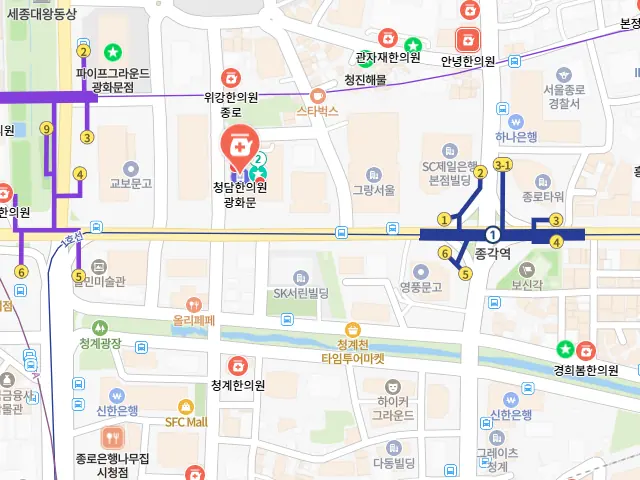
At Cheong-dam Oriental Clinic Gwanghwamun, we look at symptoms in your back and legs, your movement, and your daily habits to decide whether acupuncture, electroacupuncture, or Chuna therapy is appropriate, and advise you on how to manage your condition. If further tests or specialist care are needed, we refer you for evaluation by orthopedics or neurosurgery.
In daily life, start with movement that doesn't strain you
Stay active with light walking and other activities within a range that doesn't worsen the pain, and if you sit in the same position for a long time, change your posture from time to time. It is best to avoid twisting your back while lifting heavy objects or stretching through the pain.