Recurring blisters and itching on the hands and feet: we look at everyday irritants too.
Hands and feet troubled by blisters and cracking. We check your skin condition along with your work and living environment.

For recurring blisters on the hands and feet, do you also look at living conditions?
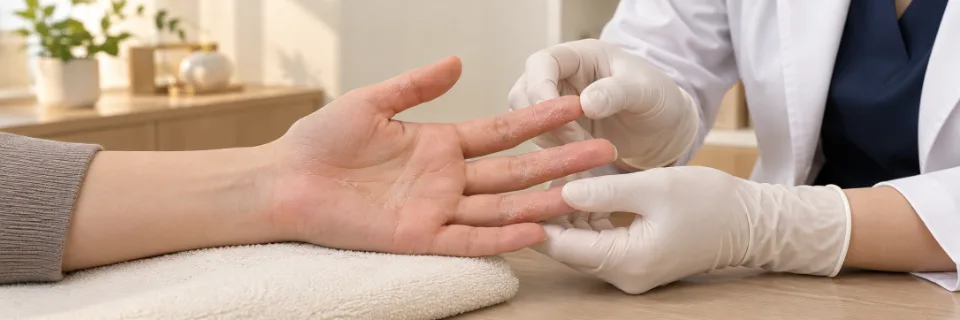
Dyshidrotic Eczema· We check where blisters and cracks appear, how often they recur, and the medications you have used and how you responded. We also look at what your hands and feet come into contact with, such as water, cleansers, and gloves, as well as your work and living conditions, and explain treatment and care methods.
Dyshidrotic Eczema,Check your symptoms
This does not replace a diagnosis. Share your answers during your visit.
Recurring small blisters and itching on the hands and feet: dyshidrotic eczema
Dyshidrotic eczema is an eczematous skin condition in which small blisters (vesicles) and itching appear on the sides of the fingers, the palms, and the soles of the feet. You may feel itching or tingling even before the blisters appear, and symptoms may improve and then return.
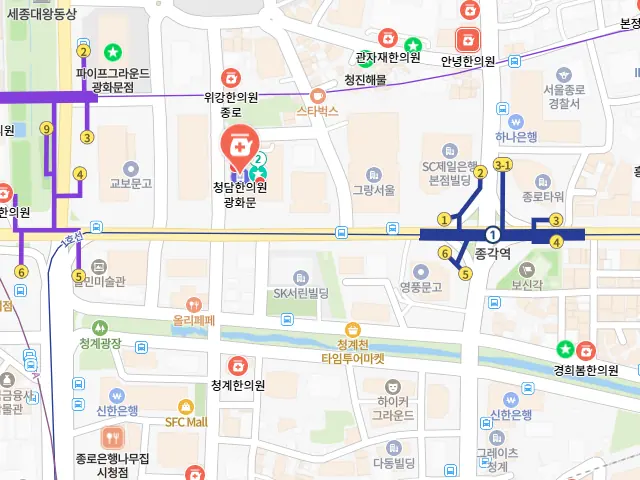
Not every blister on the hands or feet is dyshidrotic eczema. An examination is needed to distinguish it from conditions with similar symptoms, such as athlete's foot or contact dermatitis. At Cheong-dam Oriental Clinic in Gwanghwamun, we look at your skin condition and how symptoms recur, and also check your exposure to everyday irritants such as water and detergents.
※ The symptom checklist is reference material to support consultation and understanding. It cannot be used for diagnosis on its own; an accurate diagnosis and individual treatment plan are determined through examination.
We decide on treatment and care based on the examination results.

Herbal medicine
We prescribe after checking how symptoms recur and your physical condition.
Topical care
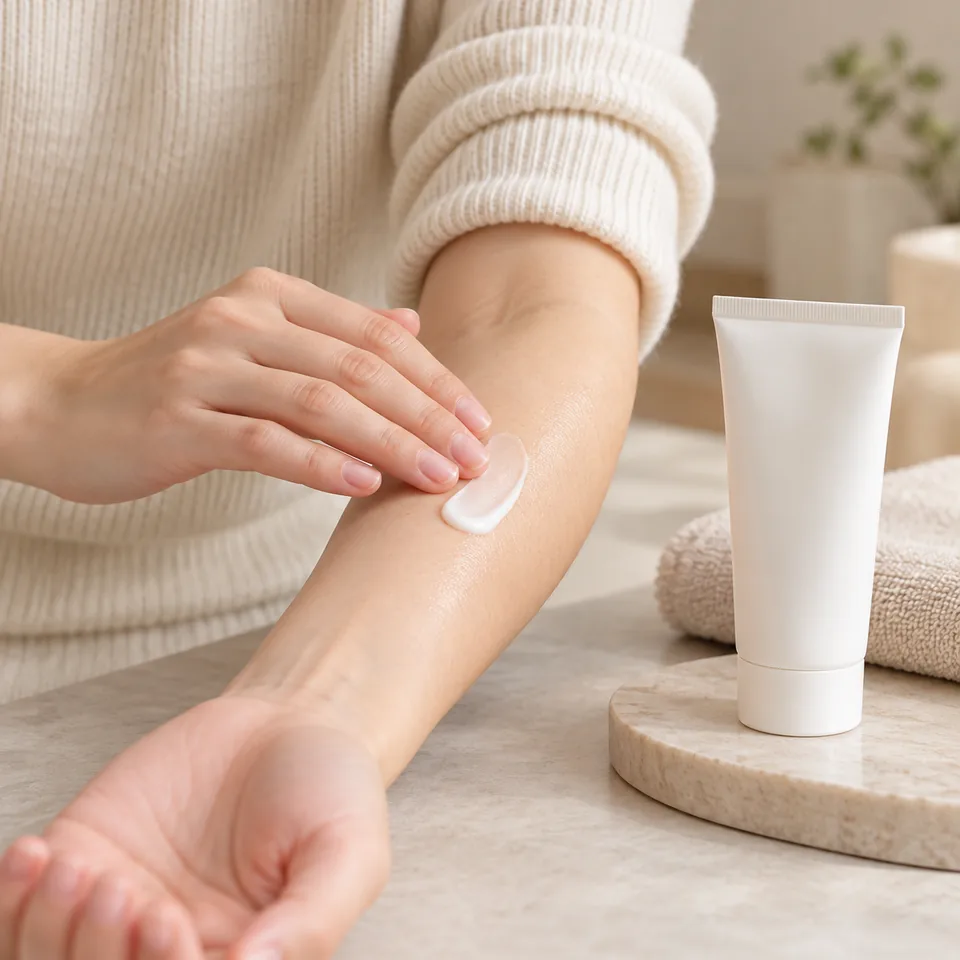
We check the type of ointment, how long it has been used, and your response.

Managing everyday irritants
We look at what your skin contacts, such as water, cleansers, and gloves.
If this is your first visit,here's how it works.
- STEP 01
Treatment history
We hear when symptoms began and about previous treatment.
- STEP 02
Examination
We check skin changes and discomfort.
- STEP 03
Plan & cost
We explain the treatment, care, and visit plan.
- STEP 04
Progress check
We monitor changes in symptoms and daily life.
Please prepare before your visit. Photos from when symptoms were severe, the ointments and medications you use, and any previous test or treatment records will help the consultation. Treatment methods and duration vary depending on the examination results and your individual condition. Herbal medicine, acupuncture, pharmacopuncture, and other treatments can have side effects, so please tell us about existing conditions, medications, allergies, and pregnancy at your visit.
Care tailored to a daily life that keeps your hands and feet busy
Together we decide on care you can practice, suited to your skin and scalp condition and living environment.
- Check how long and how often your hands are in contact with water and cleansers
- Check when you wear gloves and how your skin reacts
- Manage moisture and irritation on your hands and feet together
- Record when blisters appear and what products you use
Find the next step your skin needs with us.
- We will listen to your current discomfort and treatment history, and explain the direction of treatment and care.
References: Basis for questions and limitations: Australasian College of Dermatologists, Pompholyx (2020), https://www.dermcoll.edu.au/wp-content/uploads/2021/06/Pompholyx-A-Z-of-Skin.pdf ; DermNet Dyshidrotic eczema (2023, specialist-reviewed clinical resource), https://dermnetnz.org/topics/dyshidrotic-eczema
FAQ
For any other questions, please ask when booking your visit.
How do you tell it apart from athlete's foot?
Blisters and scaling on the hands and feet can occur not only with dyshidrotic eczema but also with athlete's foot or contact dermatitis. If it is hard to tell by examination alone, further evaluation such as a fungal test may be needed.
Can I consult you while using my current ointment?
If you tell us the name of the ointment you use, how long you have used it, and the changes after use, we will review it together. Please also tell us about other medications and supplements, and discuss stopping or changing prescribed treatment with your treating physician.
How long does treatment take?
The treatment period depends on how long symptoms have lasted, how they recur, your current skin condition, and progress after treatment. Rather than giving everyone the same period, we explain a plan after the examination and adjust it as we see changes.
How much does dyshidrotic eczema care cost?
Costs may vary depending on the condition of the skin on your hands and feet, the treatment or prescription needed, and the treatment plan. During the consultation, we will explain the direction of treatment and the cost of each item.