From moles and bumpy lesions to skin tone concerns
We distinguish lesion removal from skin tone treatment. The doctor examines your skin personally and decides the method needed.

How do you approach laser treatment?
Laser— if you're considering it, the type of lesion must be identified first. Even if you come in saying "my blemishes bother me," when we actually look at your skin, it may be a lesion to consider removing, such as a mole, flat wart, or milium, or a pigmentation pattern that needs closer assessment, such as melasma or lentigines. At Cheong-dam, the doctor first checks the type and distribution of lesions and how sensitive your skin is. We distinguish lesion removal with a CO₂ laser from toning and spot pigment treatment with an Nd:YAG laser, and explain the treatment area and recovery process. You can consult about just a few spots that bother you rather than your whole face.
First,we identify your concern
Moles and bumpy skin lesions
Moles, flat warts, skin tags, and milia may look alike, but they are not treated the same way. We decide whether to remove them after checking the type, size, number, and location of the lesions. We also advise whether a protective bandage is needed after the procedure and how much recovery time to allow. Lesions that need further testing are not removed right away; we refer you to appropriate care.
Skin tone and spot pigmentation
We start by checking whether your whole face looks dull or whether specific spots look dark. We assess the pattern of pigmentation such as melasma, blemishes, and lentigines, as well as your response to previous laser treatment, to plan toning or spot treatment. We adjust the intensity and interval while watching your skin's response, and advise on moisturizing and sun protection after the procedure.
We distinguish lesion removal from skin tone treatment
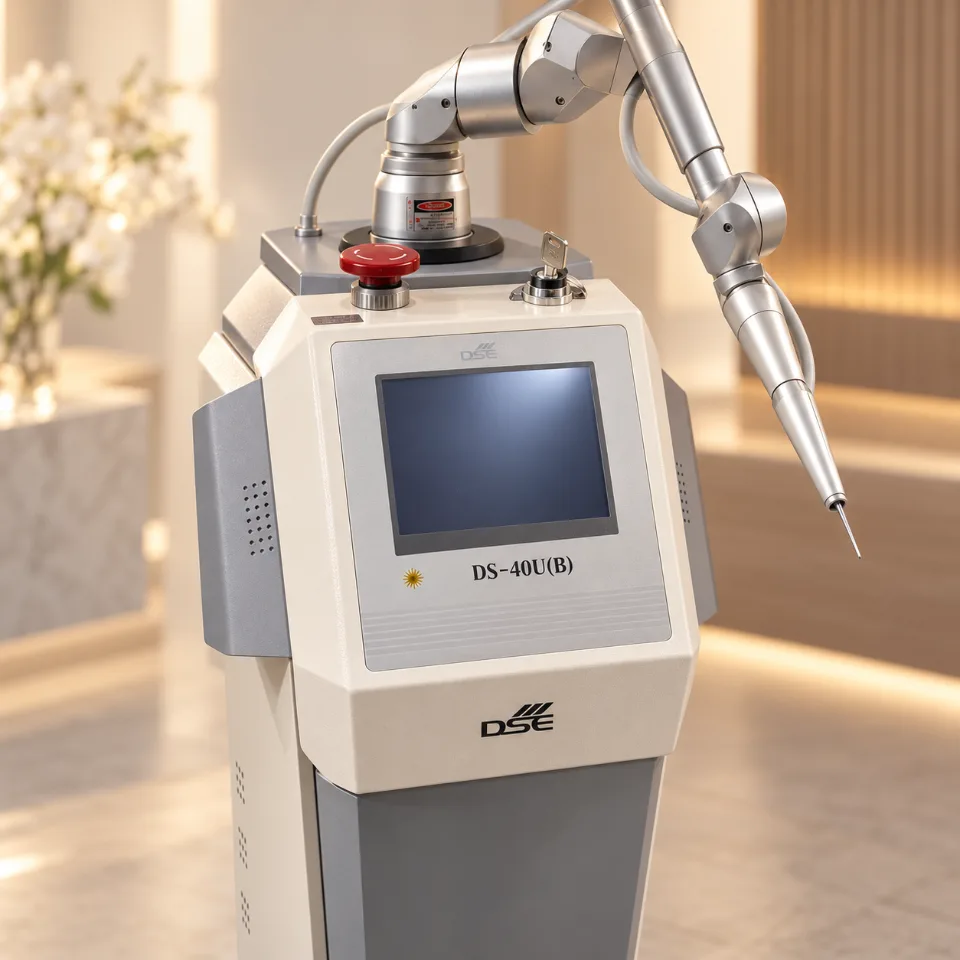
CO₂ laser lesion removal
After examination, we treat moles, flat warts, skin tags, and other lesions suitable for removal. Numbing cream is used if needed, and we advise on protective bandages and aftercare according to depth and extent. Additional treatment for remaining lesions is assessed after recovery.
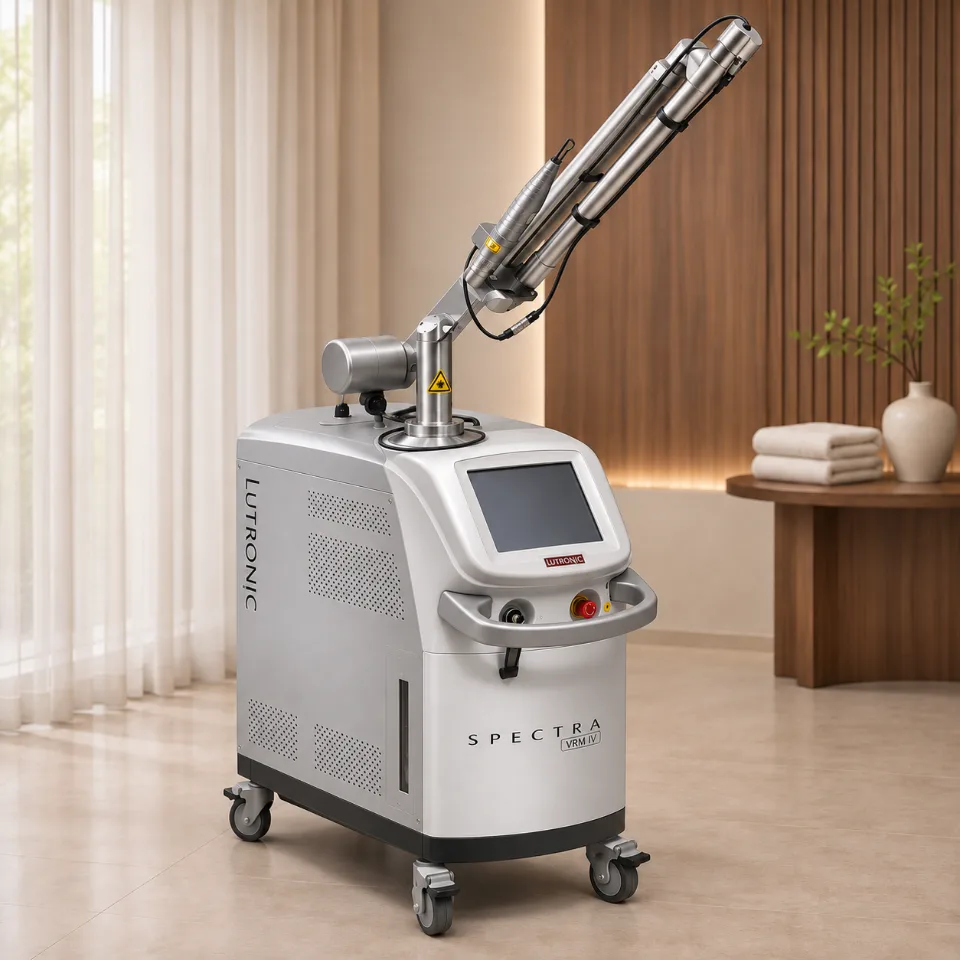
Nd:YAG toning and spot pigment treatment
We assess skin tone, melasma, and blemishes to plan toning or spot treatment. Cheong-dam's red ginseng toning is followed by moisturizing and soothing care. Specific spots may need a different approach, so the doctor checks them.
Before you visit
- The time for lesion removal depends on the number and extent of lesions. If numbing cream is used, preparation time is also needed, so please tell us the area of concern and the approximate number when booking.
- Toning and lesion removal have different recovery processes. After lesion removal, protective bandages or wound care may be needed. Please let us know in advance about important plans such as photo shoots, business trips, or travel, and about any recent skin procedures.
FAQ
For any other questions, please ask when booking your visit.
Is every raised bump a wart?
No. Flat warts, skin tags, milia, and other lesions can look similar on the surface. The doctor examines them personally to identify the type, and explains whether removal is needed and which method is suitable. If it is difficult to judge from photos alone, an in-person examination is needed.
Can I have toning and lesion removal on the same day?
Depending on your skin condition and the treatment area, they can be done on the same day. However, if there are many lesions or irritation is a concern, we split them into separate sessions. If done together, we give face washing, makeup, and protective bandage instructions that prioritize recovery of the removal sites.
Can I come during my lunch break?
We can suggest available times when you book so that you can visit during your lunch break at work. Please first tell us when you need to be back and which procedure you want. Time may be needed for the initial consultation, face washing, and numbing preparation. We do not see patients during the clinic's lunch break, 13:30–14:30.
What skin concerns can I consult about?
You can consult about visible lesions such as moles, skin tags, flat warts, and milia, as well as melasma, blemishes, lentigines, and dull skin tone. Because lesions that look similar may need different treatment, the doctor checks them first. If a skin condition or the need for further testing is suspected, we refer you to appropriate care.
How long does a laser procedure take?
Toning and lesion removal take different amounts of time. For lesion removal, about 10–15 minutes may be needed for numbing cream, and the actual procedure time depends on the number and extent of lesions. For toning, too, your total time in the clinic varies with consultation, face washing, whether numbing is used, and finishing care. If you tell us when you need to be back when booking, we will check available times.
Is one session enough?
For both lesion removal and pigment treatment, additional sessions may be needed depending on the type, depth, and your skin's response. For moles and warts, we check for remaining lesions after recovery; for toning, we adjust the number of sessions and intervals while monitoring progress. When retreatment is possible and how it is priced are explained at the first consultation.
Can people with sensitive skin receive laser treatment?
We first check how red or stinging your skin currently is and whether you have a history of skin conditions or allergies. Please also tell us about skin medications and cosmetics you use and any recent procedures. Depending on your condition, we may adjust the area and intensity, or advise you to have the procedure after your skin has calmed down.
Can I return to daily life right after laser treatment?
It depends on whether you had toning only or lesion removal. After toning, there may be temporary redness or warmth, so minimize irritation and take care to moisturize and protect against UV. After lesion removal, protective bandages and wound care may be needed, and when you can wash your face or wear makeup will be advised separately according to the extent of removal and your recovery. If pain worsens or abnormal reactions such as oozing or blisters occur, please contact the clinic.
How much does laser treatment cost?
Lesion removal varies by type, size, number, and location, and toning by treatment composition and number of sessions. When you inquire, telling us the area of concern, the approximate number of lesions, and the treatment you want helps us estimate the cost. After the examination, we explain the treatment area and whether there are additional care or retreatment costs before the procedure.
Start by telling us which lesions and areas bother you
Tell us whether you want just a few spots removed or whether your overall skin tone is the concern. We will advise on the treatment needed and the recovery schedule.